How to start working in a medical aesthetic clinic: roles, skills, and career path
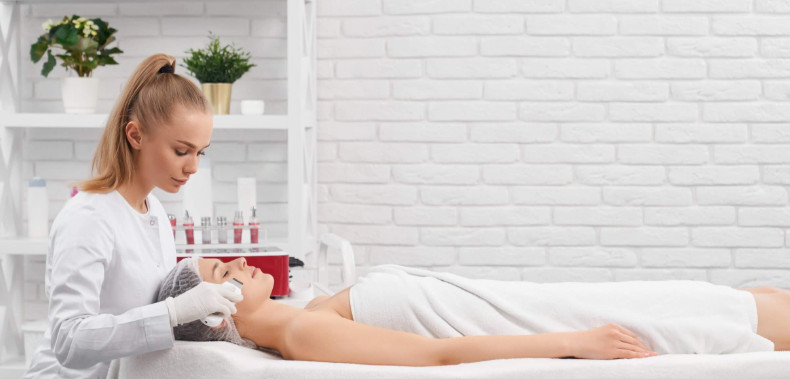
How can you start working in a medical aesthetic clinic in the United States, even without prior experience?
The demand for professionals in aesthetic medicine continues to grow, and clinics are expanding beyond physicians to include a wide range of support roles. However, many people are unclear about where they fit, what positions exist, and how to enter the field safely.
It is important to understand that scope of practice varies by state, and most roles operate under the supervision of a licensed professional. Responsibilities and limitations depend on local regulations.
This guide explains how medical aesthetic clinics work, what roles exist, and how to position yourself to enter the industry.
Understanding How a Medical Aesthetic Clinic Works
A modern medical aesthetic clinic is a structured environment where multiple professionals collaborate to deliver safe and effective treatments.
These clinics typically include:
- Licensed medical providers
- Clinical support staff
- Patient coordination roles
- Administrative team members
Each role contributes to the overall patient experience and clinical outcome.
Key Roles in a Medical Aesthetic Clinic (U.S.)
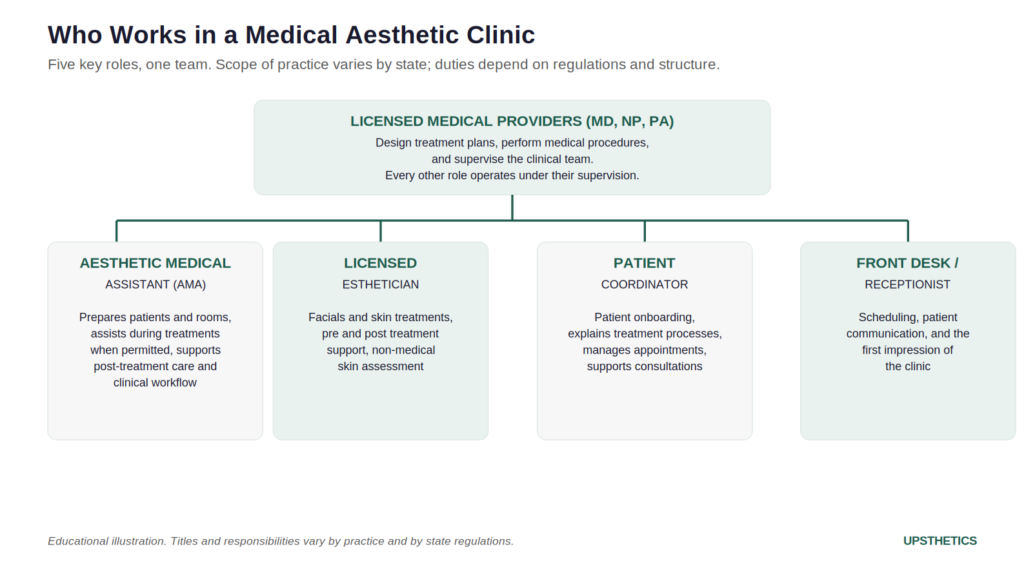
1. Medical Provider (Physician / Licensed Medical Professional)
The medical provider is responsible for diagnosing, planning, and performing medical aesthetic procedures.
This may include:
- Physicians (MD)
- Nurse Practitioners (NP)
- Physician Assistants (PA)
They:
- Design treatment plans
- Perform medical procedures
- Supervise the clinical team
All other roles, including assistants, operate under the supervision of a licensed professional, and responsibilities depend on state regulations.
2. Aesthetic Medical Assistant
A aesthetic medical assistant supports treatments and ensures proper clinical workflow within a medical aesthetic clinic.
Typical responsibilities include:
- Preparing patients before procedures
- Assisting during treatments (when permitted)
- Supporting post-treatment care
- Preparing treatment rooms
- Managing equipment and materials
- Ensuring smooth clinical workflow
Responsibilities vary by state and are performed under the supervision of a licensed professional, as scope of practice varies by state.
3. Licensed Esthetician
Estheticians focus on skincare treatments and patient preparation.
Their responsibilities may include:
- Facials and skin treatments
- Pre- and post-treatment support
- Skin condition assessment (non-medical)
Scope depends on state licensing requirements.
4. Patient Coordinator / Intake Coordinator
A key role in many medical aesthetic clinics.
Responsibilities include:
- Patient onboarding
- Explaining treatment processes
- Managing appointments
- Supporting consultations
This is often one of the best entry points into the industry.
5. Front Desk / Receptionist
Responsible for:
- Scheduling
- Patient communication
- First impressions of the clinic
Although non-clinical, this role is essential for business performance.
Skills Needed to Work in a Medical Aesthetic Clinic
1. Understanding Clinical Environments
Knowing how a medical aesthetic clinic operates gives a strong advantage.
2. Communication Skills
Patient interaction directly affects satisfaction and retention.
3. Attention to Detail
Small mistakes can impact both safety and results.
4. Basic Knowledge of Skin and Treatments
Understanding concepts such as skin barrier function is essential, as explained in our article on compromised skin barrier.
5. Awareness of Safety Protocols
As discussed in our article on infection control in medical aesthetic clinics, clinical environments require strict hygiene standards.
Common Mistakes When Trying to Enter the Industry
- Ignoring State Regulations
Always remember: scope of practice varies by state.
- Focusing Only on Treatments
Working in a clinic involves much more than performing procedures.
- Lack of Preparation
Clinics value candidates who understand workflows and patient interaction.
- Underestimating Entry-Level Roles
Positions such as front desk or patient coordinator are strategic entry points.
How to Start Working in a Medical Aesthetic Clinic Without Experience
1. Start with Entry-Level Roles
Front desk or patient coordinator positions are common entry points.
2. Learn How Clinics Operate
Understanding workflow and patient flow is essential.
3. Develop Relevant Skills
Focus on:
- communication
- organization
- clinical awareness
4. Demonstrate Professionalism
Reliability and attitude are highly valued in clinical environments.
The Reality of Working in a Medical Aesthetic Clinic
Working in this field requires:
- Consistency
- Professional communication
- Adaptability
Most roles operate under the supervision of a licensed professional, and responsibilities depend on state regulations.
Who This Is For
- Beginners entering aesthetic medicine
- Estheticians transitioning into clinical settings
- Medical assistants specializing in Medical Aesthetics
- Professionals exploring new career paths
- Individuals interested in working in a medical aesthetic clinic
Tell us where you are in your career journey and what you want to read next at admin@upsthetics.com.
Disclaimer: This content is for educational purposes only and does not constitute medical advice, legal advice, or professional guidance. It does not qualify readers to perform medical or aesthetic procedures.
FAQS
How do you start working in a medical aesthetic clinic in the U.S.?
By targeting entry-level roles, understanding clinic workflows, and developing relevant skills.
Do responsibilities vary by state?
Yes. Scope of practice varies by state, and duties depend on local regulations.
Do you need to be licensed?
It depends on the role. Many positions support treatments under the supervision of a licensed professional. Every aesthetic career starts with understanding how the industry actually works. Visit the Careers section of the Upsthetics blog for more guides on roles, skills, and professional growth in medical aesthetics.
Related posts
Medical spa patient coordinator: duties, skills, salary, and career guide
Medical spa front desk receptionist: duties, skills, salary, and career path
How to become an aesthetic medical assistant: skills, role, and career path in medical aesthetic clinics
Stay Updated
About the author
