How to become an aesthetic medical assistant: skills, role, and career path in medical aesthetic clinics
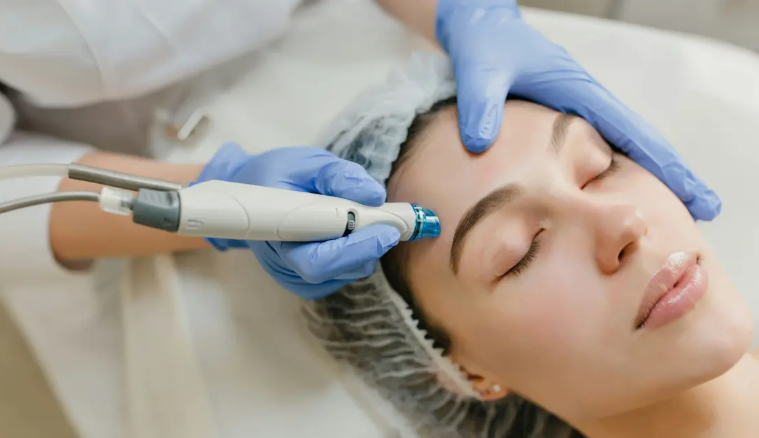
What does it take to work in a medical aesthetic clinic?
With the rapid growth of aesthetic medicine, the demand for trained professionals supporting clinical procedures is increasing. Among these roles, the aesthetic medical assistant has become essential in ensuring safe, efficient, and consistent patient care.
However, many professionals are unclear about what this role actually involves, what skills are required, and how to enter this field.
What Is an Aesthetic Medical Assistant (AMA)
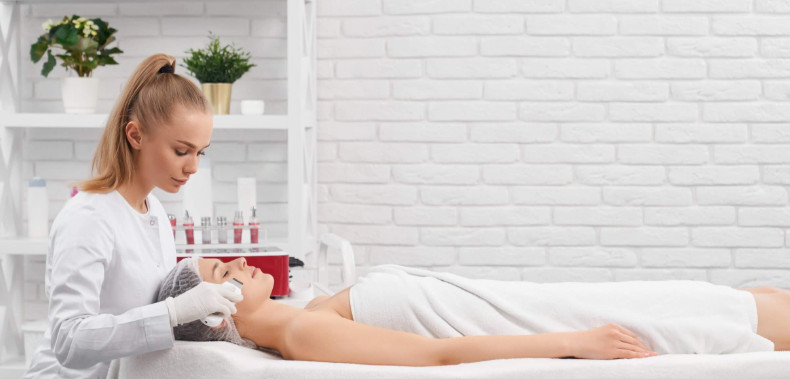
An aesthetic medical assistant works within a medical aesthetic clinic, supporting practitioners and ensuring that treatments are performed under optimal conditions.
This role combines:
- Clinical support
- Patient interaction
- Treatment preparation
- Post-treatment guidance
It is not limited to basic skincare, it requires an understanding of how aesthetic treatments work in a clinical setting.
Why This Role Is Growing in Medical Aesthetic Clinics
The expansion of aesthetic treatments has increased the need for structured support within clinics.
Modern clinics require professionals who can:
- Understand treatment protocols
- Assist during procedures
- Manage patient expectations
- Maintain clinical standards
As aesthetic medicine evolves, the assistant role becomes more specialized and valuable.
What Does a Aesthetic Medical Assistant Do
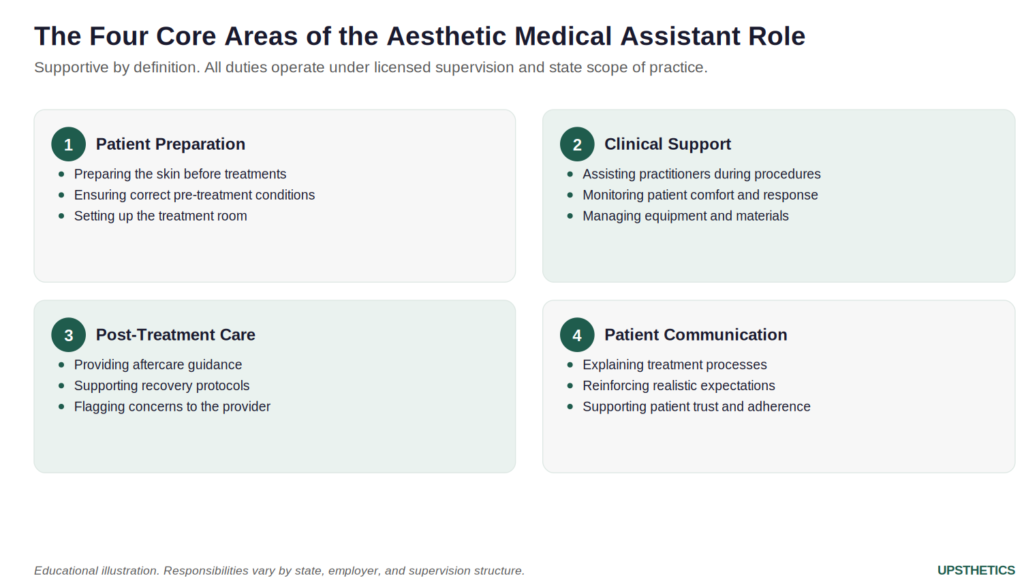
In a medical aesthetic clinic, responsibilities typically include:
Patient Preparation
- Preparing the skin before treatments
- Ensuring correct pre-treatment conditions
Clinical Support
- Assisting practitioners during procedures
- Monitoring patient comfort and response
Post-Treatment Care
- Providing aftercare guidance
- Supporting recovery protocols
Patient Communication
- Explaining treatment processes
- Reinforcing realistic expectations
As discussed in our article on How to Handle Difficult Patients in a Medical Aesthetic Clinic communication plays a key role in patient satisfaction.
Key Skills Required
1. Understanding Skin and Treatments
Knowledge of:
- skin barrier function
- treatment types
- patient response
As explained in our article on Compromised Skin Barrier skin condition directly affects outcomes.
2. Communication Skills
Clear communication improves:
- patient trust
- treatment adherence
3. Attention to Detail
Small mistakes can impact results and safety.
4. Clinical Environment Awareness
Understanding hygiene and safety protocols is essential, as discussed in Infection Control in Medical Aesthetic Clinics
Common Mistakes When Entering This Field
Underestimating the Role
It is not just an entry-level position, it requires structured knowledge.
Lack of Clinical Understanding
Without understanding treatments, assistants cannot support effectively.
Focusing Only on Skincare
The role goes beyond cosmetic procedures.
Career Opportunities in Medical Aesthetic Clinics
A trained aesthetic medical assistant can:
- Work in dermatology or aesthetic clinics
- Support advanced treatments
- Develop specialized skills
- Grow into higher-responsibility roles
What Clinics Look for in a Aesthetic Medical Assistant
Clinic owners prioritize:
- Professional attitude
- Understanding of clinical workflows
- Communication skills
- Reliability and consistency
The Future of This Role
The role is evolving toward:
- More clinical involvement
- Greater responsibility
- Increased demand
As aesthetic medicine continues to grow, well-trained assistants will be increasingly valuable.
Who This Is For
- Medical assistant seeking to specialize in Medica Aestehtics
- Estheticians seeking to work in clinics
- Beginners entering the aesthetic field
- Professionals looking to upgrade their career
- Individuals interested in clinical environments
Aesthetic Medical Assistant A professional who supports treatments and patient care in aesthetic clinics.
Skin Barrier The protective outer layer of the skin.
Clinical Protocols Standardized procedures followed in medical environments.
If this role sounds like your next step, keep reading. The Careers section of the Upsthetics blog breaks down every role in the aesthetic industry, the skills behind them, and how professionals grow from one to the next.
Questions about the aesthetic medical assistant career path? Write to admin@upsthetics.com.
Disclaimer: This content is for educational purposes only and does not constitute medical advice, legal advice, or professional guidance. It does not qualify readers to perform medical or aesthetic procedures.
FAQS
What qualifications do you need to become an aesthetic medical assistant?
Requirements vary by employer and state, but clinics typically value knowledge of medical aesthetics, patient care, communication skills, and an understanding of clinical workflows.
Can an aesthetic medical assistant perform aesthetic treatments?
In most cases, no. The scope of practice depends on state regulations and clinic policies. Medical assistants generally support licensed healthcare professionals rather than perform restricted medical procedures independently.
What is the difference between an aesthetic medical assistant and an esthetician?
An esthetician focuses primarily on skincare treatments within their licensed scope, while an aesthetic medical assistant works in a clinical environment supporting physicians, nurse practitioners, physician assistants, or nurses during medical aesthetic procedures.
Where do aesthetic medical assistants typically work?
They commonly work in medical spas, dermatology clinics, plastic surgery practices, cosmetic surgery centers, and other medical aesthetic clinics.
What skills are most important for success in this role?
Attention to detail, patient communication, professionalism, organization, infection control awareness, and a solid understanding of aesthetic treatments are among the most valuable skills.
Is previous healthcare experience required to become an aesthetic medical assistant?
Not always. While healthcare experience can be beneficial, many clinics also hire motivated candidates who have completed relevant education and demonstrate strong interpersonal and organizational skills.
What treatments might an aesthetic medical assistant help prepare for?
Depending on the clinic and local regulations, assistants may help prepare for procedures such as neuromodulator injections, dermal fillers, laser treatments, chemical peels, microneedling, PRP procedures, and other non-surgical aesthetic treatments.
How important is infection control in medical aesthetic clinics?
It is essential. Proper hygiene, sterilization procedures, and infection prevention protocols help protect both patients and healthcare professionals while maintaining high clinical standards.
What career progression is possible after becoming an aesthetic medical assistant?
With additional experience and education, professionals may move into senior clinical support roles, patient coordinator positions, practice management, clinical operations, or pursue further healthcare qualifications where permitted.
Is there a growing demand for aesthetic medical assistants?
Yes. The continued growth of the medical aesthetics industry has increased demand for skilled professionals who can support patient care and improve clinic efficiency.
What personal qualities do employers look for in an aesthetic medical assistant?
Employers often seek candidates who are dependable, compassionate, organized, professional, eager to learn, and able to work effectively as part of a multidisciplinary clinical team.
Can estheticians transition into the role of aesthetic medical assistant?
Yes. Many licensed estheticians choose to expand their careers by working in medical aesthetic clinics, where they develop additional knowledge of clinical procedures, patient care, and treatment workflows while working alongside licensed medical professionals.
How does an aesthetic medical assistant contribute to the patient experience?
By preparing treatment rooms, assisting providers, educating patients about pre- and post-treatment care, and ensuring patients feel informed, comfortable, and supported throughout their visit.
Do aesthetic medical assistants need to understand facial anatomy?
Yes. Although they may not perform medical procedures, understanding basic facial anatomy, skin physiology, and treatment indications helps assistants support providers more effectively and communicate accurately with patients.
What should you learn before applying for a job in a medical aesthetic clinic?
A strong foundation in skin anatomy, common aesthetic procedures, patient communication, infection control, documentation, clinical workflows, and professionalism will make you a more competitive candidate.Glossary
Related posts
Medical spa patient coordinator: duties, skills, salary, and career guide
Medical spa front desk receptionist: duties, skills, salary, and career path
How to start working in a medical aesthetic clinic: roles, skills, and career path
Stay Updated
About the author
