The Skin Microbiome and Why Aggressive Treatments Backfire
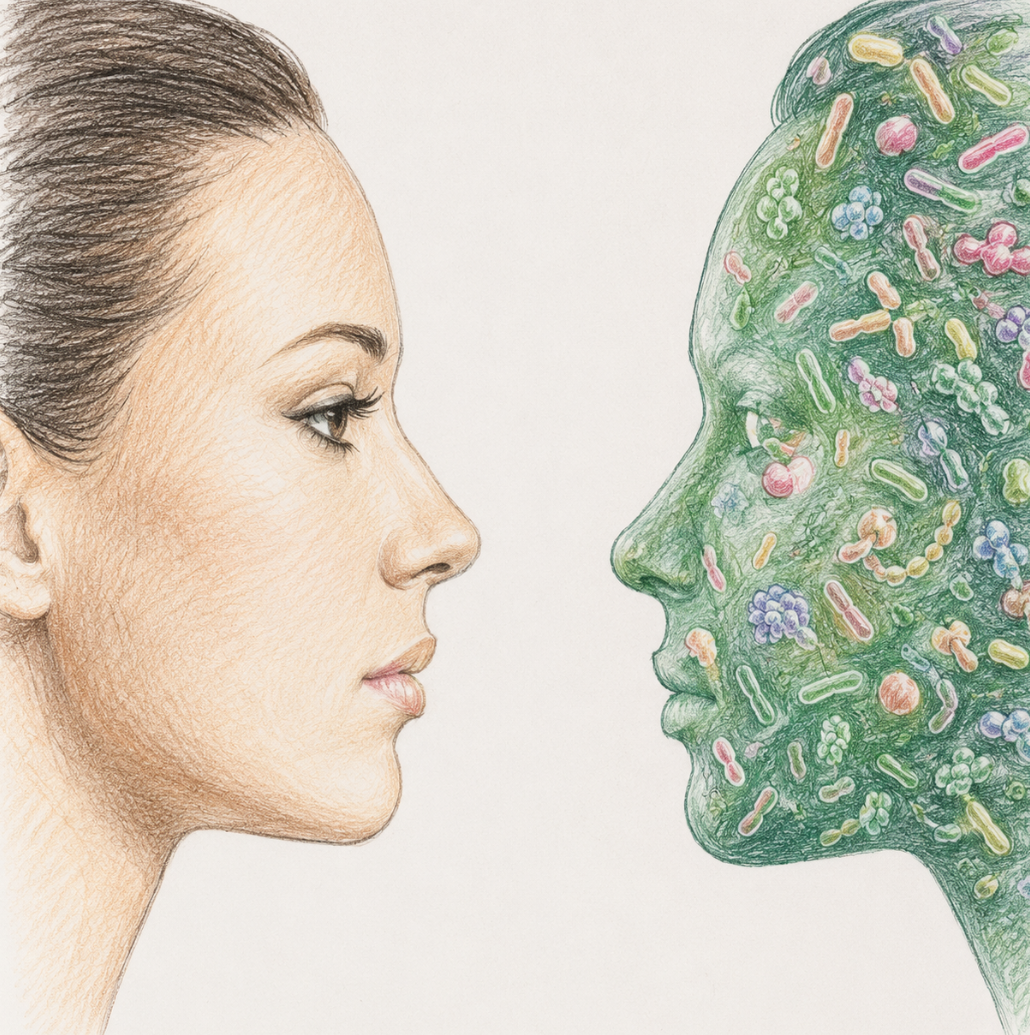
In modern medical aesthetic clinics, one concept is gaining increasing attention: the skin microbiome.
Many patients present with persistent sensitivity, redness, or poor response to treatments without a clear cause. In many cases, the issue is not only the skin barrier, but an imbalance in the microbiome.
Understanding how the skin microbiome influences treatment outcomes is becoming essential for estheticians and aesthetic medical assistants working in clinical settings.
What Is the Skin Microbiome
The skin microbiome refers to the community of microorganisms, bacteria, fungi, and viruses, that live on the skin’s surface.
In healthy skin, this ecosystem:
- Protects against harmful pathogens
- Regulates inflammation
- Supports skin barrier function
A balanced microbiome is essential for maintaining stable, resilient skin.
Why the Skin Microbiome Matters in Aesthetic Treatments
In any medical aesthetic clinic, treatment success depends on more than the visible condition of the skin.
An imbalanced microbiome can lead to:
- Increased skin sensitivity
- Delayed recovery after procedures
- Higher risk of irritation and inflammation
Even well-performed treatments may fail if the microbiome is disrupted.
What Disrupts the Skin Microbiome
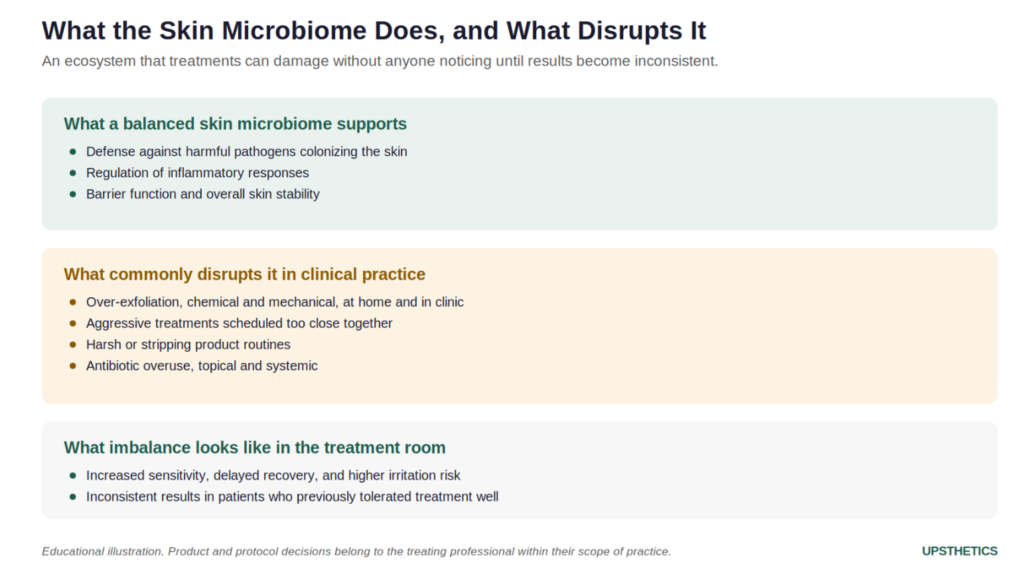
Over-Exfoliation
Excessive use of acids or scrubs alters the microbial balance.
Aggressive Treatments
Frequent procedures can destabilize the skin environment.
Harsh Skincare Products
Strong cleansers and alcohol-based products damage microbial diversity.
Antibiotic Overuse
Topical or systemic antibiotics reduce beneficial bacteria.
Common Mistakes in Aesthetic Clinics
Ignoring the Microbiome
Focusing only on visible skin signs without considering microbial balance.
Over-Treating the Skin
Frequent procedures disrupt both the skin barrier and microbiome.
Using Harsh Products
Aggressive cleansers and actives reduce beneficial bacteria.
Lack of Patient Education
Patients often unknowingly damage their microbiome with incorrect homecare.
Clinical and Business Impact
Clinical Impact
- Increased irritation and sensitivity
- Poor treatment tolerance
- Inconsistent results
Business Impact
- Lower patient satisfaction
- Reduced retention
- Negative perception of treatment effectiveness
How to Support the Skin Microbiome in Clinical Practice
1. Protect the Skin Barrier
A stable barrier supports a balanced microbiome.
2. Avoid Over-Exfoliation
Limit excessive use of acids and aggressive protocols.
3. Use Microbiome-Friendly Products
Focus on gentle formulations that support microbial balance.
4. Space Treatments Properly
Allow the skin ecosystem to recover between sessions.
5. Educate the Patient
Explain how daily habits impact skin health.
- The Role of the Esthetician and Aesthetic Medical Assistant
In a medical aesthetic clinic, assistants play a key role in maintaining microbiome balance:
- Identifying early signs of imbalance
- Preventing over-treatment
- Adjusting skincare recommendations
- Supporting long-term skin health strategies
Who This Is For
- Estheticians working in clinical environments
- Aesthetic medical assistants
- Clinic owners
- Professionals seeking advanced clinical knowledge
Continue Exploring. Working with the skin rather than against it is the shift that separates consistent results from unpredictable ones. Find more of that thinking in the Skin Science section of the Upsthetics blog.
Which skin science topic should we tackle next? Send it to admin@upsthetics.com.
Disclaimer
This article is intended for educational purposes only. It does not qualify readers to perform medical or aesthetic procedures. All treatments and clinical decisions must comply with local regulations and be carried out by appropriately licensed professionals.
FAQS
What is the skin microbiome in simple terms?
The skin microbiome is the community of bacteria, fungi, viruses, and other microorganisms that naturally live on the skin and help maintain a healthy skin barrier.
Can aesthetic treatments damage the skin microbiome?
Yes. Over-exfoliation, frequent aggressive procedures, and excessive use of active ingredients can disrupt the skin microbiome and contribute to irritation and barrier dysfunction.
How can the skin microbiome be restored?
Recovery focuses on supporting the skin barrier through gentle cleansing, adequate moisturization, avoiding unnecessary irritation, and allowing the skin time to rebalance naturally.
Why is the skin microbiome important in aesthetic practice?
A balanced microbiome helps support skin barrier function, improves tolerance to treatments, and may reduce the risk of irritation and inflammation following aesthetic procedures.
Can overusing skincare products harm the microbiome?
Yes. Layering multiple active ingredients or cleansing too frequently may disturb the skin’s natural microbial balance and increase skin sensitivity.
Should patients change their skincare routine after professional treatments?
Often, yes. Following professional aftercare instructions and temporarily using a simple, barrier-supportive skincare routine can help the skin recover while maintaining microbiome health.
Related posts
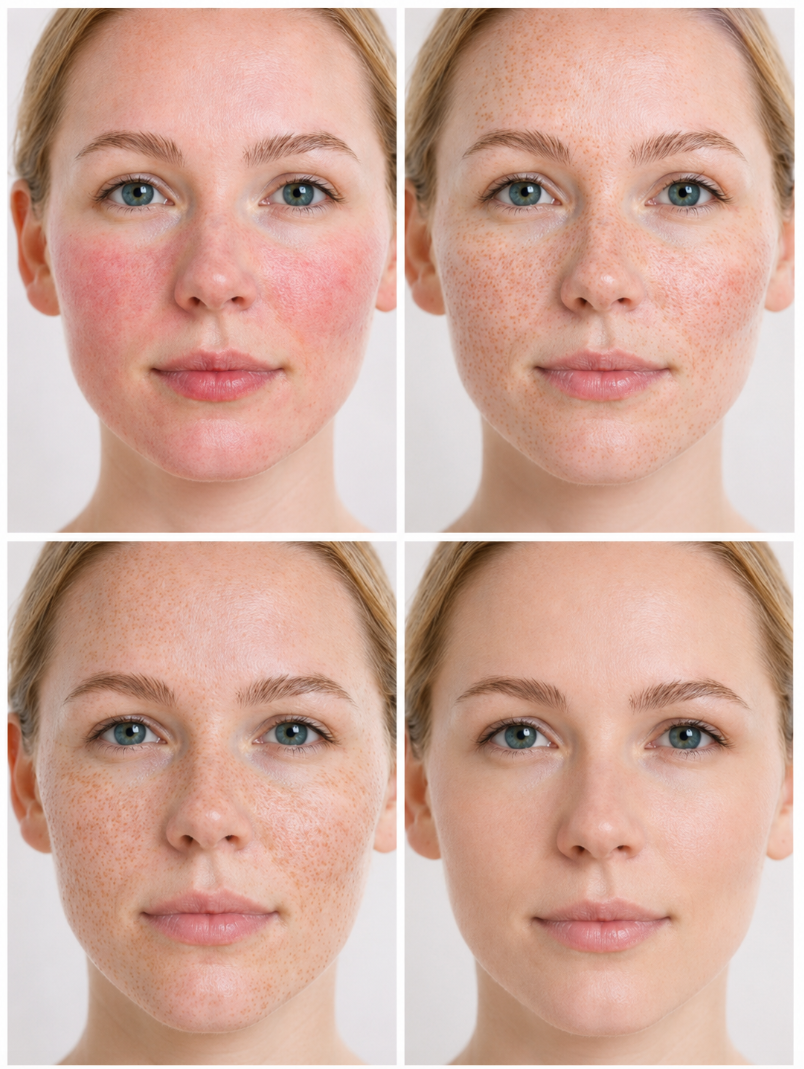
Compromised skin barrier: how to identify it before any aesthetic treatment
Skincare ingredients that should not be combined: a clinical safety guide for aesthetic practice
Stay Updated
About the author
