Can patients with diabetes get Botox? Clinical considerations and safety overview
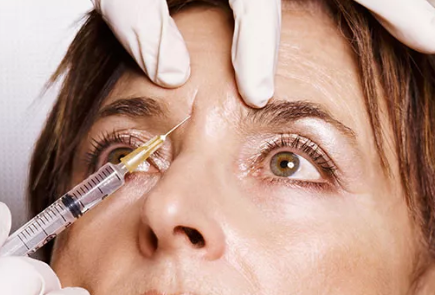
Demand for aesthetic procedures in the United States remains on the rise, with botulinum toxin injections (commonly referred to as Botox®) continuing to be one of the most frequently performed non-surgical treatments. As the field expands, practitioners increasingly evaluate individuals with chronic conditions, including diabetes mellitus.
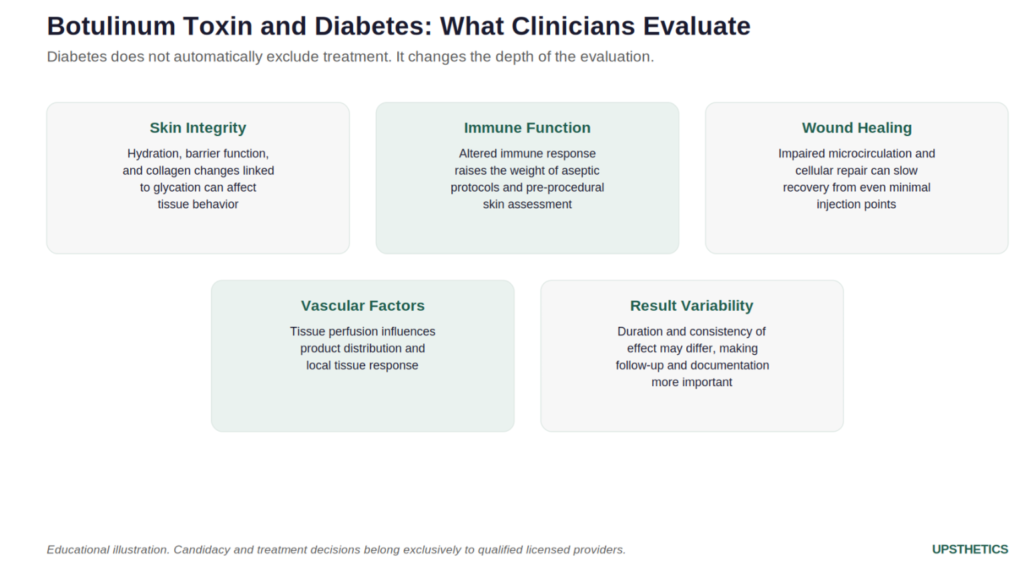
In clinical settings, diabetes is recognized as a systemic condition that may influence skin physiology, neuromuscular response, and tissue behavior. These variables are relevant when assessing how candidates for treatment may respond to botulinum toxin injections.
Botulinum toxin injections are widely used in aesthetic medicine across the United States
Individuals with diabetes may present physiological differences that influence skin and tissue response
- Relevant factors include immune function, wound healing, and skin integrity
Clinical evaluation plays a central role in understanding individual variability
Understanding Botulinum Toxin in Aesthetic Medicine
Botulinum toxin type A is a neurotoxin used in aesthetic medicine to temporarily reduce muscle activity. It works by blocking the release of acetylcholine at the neuromuscular junction, leading to localized muscle relaxation.
Common aesthetic applications include:
- Glabellar lines
- Forehead lines
- Lateral canthal lines (crow’s feet)
The procedure is considered minimally invasive and typically involves intramuscular injections using fine needles. While the primary mechanism targets muscle contraction, surrounding tissues, including skin and connective structures, may influence visible outcomes.
Diabetes and Systemic Physiological Changes
Diabetes mellitus is associated with multiple systemic changes that extend beyond glucose regulation. These include alterations in vascular function, immune response, and connective tissue structure.
From an aesthetic and dermatological perspective, relevant physiological factors include:
- Changes in skin hydration and barrier function
- Altered collagen due to glycation processes
- Microvascular changes affecting perfusion
- Variations in inflammatory response
These elements contribute to how individuals with diabetes may present in aesthetic clinical environments.
Skin Characteristics in Individuals with Diabetes
Individuals with diabetes often display distinct skin characteristics, including xerosis, reduced elasticity, and altered texture. These features are linked to metabolic and structural changes within the dermis.
Chronic hyperglycemia contributes to the formation of advanced glycation end products (AGEs), which can affect collagen organization and flexibility. As a result, the dermal matrix may respond differently to external stimuli.
Although botulinum toxin injections do not directly modify skin structure, overall skin quality may influence how aesthetic results are perceived.
Neuromuscular Considerations
Botulinum toxin acts at the neuromuscular junction, and its effectiveness depends on normal nerve-to-muscle signaling.
From a clinical standpoint, diabetes may be associated with peripheral neuropathy in some individuals, which can affect nerve conduction and muscular response. These changes may influence:
- Muscle responsiveness
- Distribution patterns of the injected product
- Duration of effect
Current literature does not establish a definitive relationship but recognizes variability in neuromuscular response among individuals with systemic conditions.
Immune Response and Infection Risk
Diabetes can affect immune system performance, including leukocyte function and inflammatory signaling. These changes may influence how the body responds to minor disruptions of the skin barrier.
Botulinum toxin injections involve limited penetration of the skin, but even minimally invasive procedures are evaluated in the context of infection risk.
Clinical environments typically incorporate:
- Standard aseptic protocols
- Pre-procedural skin assessment
- Documentation of systemic conditions
These practices are part of routine care and become particularly relevant when underlying conditions are present.
Wound Healing and Tissue Response
Delayed wound healing is a recognized feature of diabetes. Contributing factors include:
- Impaired microcirculation
- Reduced oxygen delivery
- Altered cellular repair mechanisms
Botulinum toxin injections are considered minimally invasive; however, they still involve controlled disruption of tissue. Variations in healing response may influence post-procedural recovery patterns.
Clinical observations focus on individual variability rather than uniform expectations across patient populations.
Vascular Factors and Tissue Perfusion
Microvascular changes associated with diabetes may affect tissue perfusion and overall skin health. Adequate blood flow supports normal physiological function and contributes to recovery following aesthetic procedures.
Although vascular considerations are more prominent in other aesthetic treatments, they remain part of the broader clinical evaluation in candidates for botulinum toxin injections.
Duration and Variability of Results
The duration of botulinum toxin effects varies based on multiple factors, including muscle activity, metabolism, and individual biological response.
In individuals with diabetes, systemic variables may contribute to differences in how long results are maintained or how the tissue responds over time. Clinical literature emphasizes variability rather than predictable patterns.
Clinical Evaluation and Patient Selection
Patient assessment is a central component of aesthetic practice in the United States. Practitioners review medical history, skin condition, and overall health status prior to treatment.
Practitioners consider diabetes a relevant factor that may influence skin response, healing behavior, and procedural dynamics. As a result, it is routinely included in pre-procedural evaluation and documentation.
Medical Context and Aesthetic Practice
The integration of medical knowledge into aesthetic procedures has reinforced the importance of understanding systemic health conditions. Diabetes provides an example of how general health may intersect with aesthetic treatment planning.
Botulinum toxin injections are widely used and categorized as minimally invasive. However, clinical environments recognize that individual variability plays a role in how treatments are approached and evaluated.
Which patient population or safety topic should we address next? Reach us at admin@upsthetics.com
Disclaimer
This content is for educational purposes only and does not constitute medical advice or professional guidance.
FAQS
Can people with diabetes receive Botox® treatments?
Many individuals with diabetes undergo botulinum toxin treatments. However, diabetes is an important medical condition that should be considered during the pre-treatment assessment. Clinical decisions are based on the patient’s overall health, diabetes control, skin condition, and medical history rather than the diagnosis alone.
Is diabetes a contraindication to botulinum toxin injections?
Diabetes is not generally considered an absolute contraindication to aesthetic botulinum toxin treatment. Instead, it is one of several systemic conditions that practitioners evaluate when determining whether a patient is an appropriate candidate for treatment.
Why is diabetes relevant before aesthetic procedures?
Diabetes may influence several physiological processes that are important in aesthetic medicine, including skin integrity, microvascular circulation, inflammatory response, immune function, and tissue repair. These factors may affect the clinical evaluation and post-procedure recovery, even for minimally invasive treatments.
Can diabetes affect Botox results?
The available literature does not demonstrate that diabetes consistently changes the effectiveness of botulinum toxin. However, individual biological differences—including skin quality, muscle characteristics, and systemic health—may contribute to variations in treatment response and the duration of results.
Does diabetic neuropathy affect botulinum toxin treatments?
Some individuals with diabetes develop peripheral neuropathy, which can alter normal nerve function. While current evidence does not establish a direct relationship between diabetic neuropathy and aesthetic outcomes, practitioners consider neurological history as part of the overall clinical assessment.
Is there a higher risk of infection after Botox for people with diabetes?
Botulinum toxin injections involve only minimal disruption of the skin, and infections are uncommon when appropriate aseptic techniques are followed. Nevertheless, diabetes may affect immune function in some individuals, making careful skin assessment and infection prevention an important part of routine clinical practice.
Can diabetes affect healing after Botox?
Botulinum toxin injections require only tiny needle punctures, so recovery is generally uncomplicated. However, diabetes may influence tissue repair and healing in some patients, particularly when blood glucose control is poor or other diabetes-related complications are present.
What should practitioners assess before treating a patient with diabetes?
A comprehensive pre-treatment assessment typically includes reviewing the patient’s medical history, diabetes status, medications, skin condition, previous aesthetic procedures, and any history of delayed healing, infection, or diabetic complications. This information helps guide safe treatment planning.
Should patients tell their provider they have diabetes before Botox?
Yes. Patients should always disclose diabetes and any other medical conditions during the consultation. Providing a complete medical history allows practitioners to perform an appropriate clinical assessment and determine whether any additional precautions should be considered.
Does good diabetes control matter before aesthetic treatments?
Overall health is an important consideration before any elective aesthetic procedure. Well-controlled chronic medical conditions generally support normal physiological function, making an accurate medical assessment and ongoing management important parts of patient care.
Are Botox treatments different from dermal fillers for patients with diabetes?
Although both are injectable aesthetic procedures, botulinum toxin and dermal fillers work through different mechanisms and involve different tissue interactions. As a result, clinical considerations may differ depending on the procedure being performed, the treatment area, and the patient’s overall medical condition.
Why is patient selection important in aesthetic medicine?
Careful patient selection helps practitioners evaluate potential risks, establish realistic expectations, and tailor treatment decisions to each individual’s medical profile. In patients with systemic conditions such as diabetes, thorough assessment remains one of the most important components of safe aesthetic practice. Special populations deserve special preparation. The Patient Safety & Compliance section of the Upsthetics blog covers the clinical situations where extra knowledge makes the real difference.
Related posts

Infection control in medical aesthetic clinics: essential safety protocols for estheticians and assistants
How to Recognize a Vascular Occlusion and What Has to Happen Next
Stay Updated
About the author
